
How to Foster Positive Family Patterns
- Victoria Cortez

- Jun 16, 2025
- 4 min read
Creating a nurturing and supportive family environment requires intention and effort. Family patterns and dynamics can significantly influence an individual’s well-being and behavior. Fostering positive patterns is essential to build a strong foundation for growth, resilience, and emotional support. In this blog post, we will explore actionable strategies that promote healthy family relationships, enhance communication, and ultimately make a positive impact on generations to come.
Understanding Family Advocacy
Family advocacy refers to the active support and promotion of family well-being. This involves recognizing the importance of family dynamics and taking steps to improve them. Healthy family patterns lead to better emotional and mental health, enabling individuals to thrive. It’s crucial to identify the behaviors and practices that can propel families forward while dismantling those that are harmful.
Promote Open Communication: One of the foundational elements of family advocacy is fostering open communication. Families should feel safe discussing their thoughts, feelings, and experiences without fear of judgment. Implementing regular family meetings can provide a structured opportunity for everyone to share their perspectives. For instance, setting a specific time each week where family members can discuss issues or celebrate achievements can strengthen bonds and build trust.
Set Family Goals: Just like individuals set personal goals, families can benefit from collective aspirations. Establishing goals helps in creating a shared vision for the family. This could include planning a family vacation, setting up a family volunteering day, or working on projects together. Engaging in activities that have a common purpose promotes teamwork and strengthens relationships.

Establishing Healthy Boundaries
Healthy boundaries are crucial for any family unit. They help delineate individuals' personal space and promote respect and understanding. When boundaries are clearly defined, family members can express their needs and expectations without encroaching on one another’s privacy.
Identify Personal Space: Encourage each family member to discuss and define what personal space means to them. This could involve physical spaces, emotional needs, or time allocated for personal activities. By respecting each other’s boundaries, families cultivate an environment of support and consideration.
Create Family Rules: Establish family rules that outline acceptable behavior and expectations within the household. This fosters a sense of responsibility and accountability among family members. For example, a rule about sharing responsibilities for household chores can prevent conflicts and promote teamwork.
Navigating Conflict Effectively
Conflict is a natural part of any family dynamic. How families handle conflict can determine the strength of their relationships. Learning effective conflict resolution strategies is essential for fostering positive family patterns.
Practice Active Listening: Encourage family members to practice active listening — paying close attention to what others are saying without interrupting. This creates an environment where everyone feels heard and valued. After one person speaks, others can paraphrase what was said to confirm understanding.
Stay Calm: In moments of conflict, it's important to remain calm and approach discussions with an open mind. For example, if siblings are arguing over a shared item, encourage them to express their feelings without yelling or name-calling. They can take turns sharing their viewpoints until a resolution is reached.

Building Emotional Resilience
Emotional resilience is the ability to bounce back from challenges and setbacks. Empowering family members to develop resilience is vital for navigating life’s difficulties.
Encourage Emotional Expression: Families should create an environment where emotions can be openly expressed. Encourage younger family members to articulate their feelings. This builds emotional intelligence and helps individuals process their emotions effectively.
Teach Coping Strategies: Introduce coping mechanisms that family members can use in stressful situations. This may include techniques like deep breathing, mindfulness, or journaling. Practicing these strategies together can strengthen family bonds while equipping individuals with tools to deal with adversity.
Leading by Example
Modeling positive behaviors can significantly influence family dynamics. Parents and caregivers have the potential to set an example that shapes the attitudes and behaviors of younger family members.
Demonstrate Kindness and Empathy: Show kindness not only within the family but towards others as well. Engaging in acts of kindness as a family — such as volunteering in the community — can inspire children to adopt similar behaviors. This helps create a positive atmosphere based on compassion.
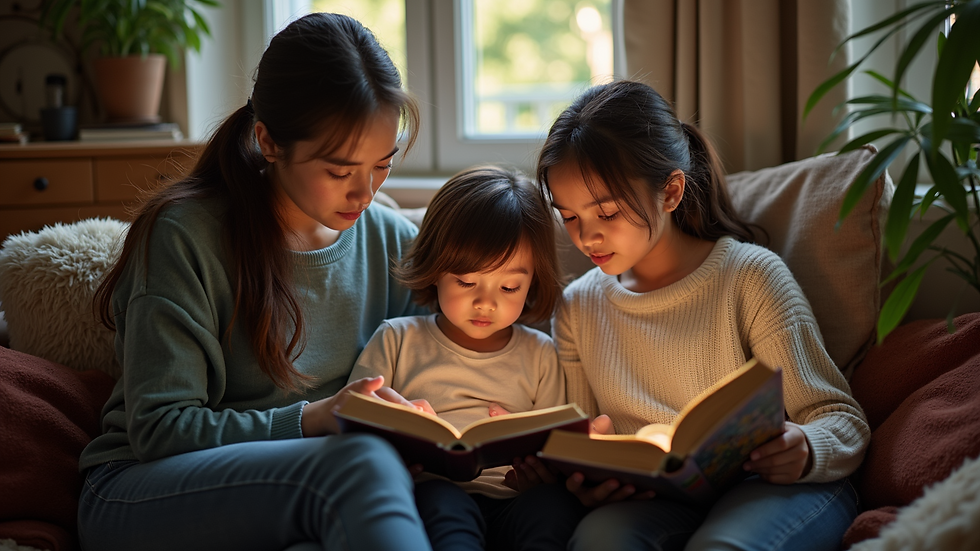
Embrace Learning Opportunities: Encourage family members to pursue personal growth and lifelong learning. Attend workshops together, read books, or engage in activities that promote personal development. This commitment to growth establishes a culture of learning within the family.
The Influence of Generational Patterns
Recognizing and understanding generational patterns plays a vital role in fostering positive family environments. Many families unknowingly pass down both positive and negative practices through generations.
Identify Patterns: Take the time to reflect on family history and recognize patterns that may be influencing current behaviors. This self-reflection is crucial for breaking harmful cycles. By acknowledging these patterns, families can actively work towards positive change. For instance, if family members recognize a trend of poor communication, they can implement strategies to improve dialogue.
Actively Engage in Change: Encourage family discussions focused on improving family dynamics. Create action plans that aim at breaking generational cycles, such as implementing new traditions or changing approaches to communication. This can lead to lasting changes that nourish future generations.
As families advocate for positive change and resilience, they enhance their collective experience. Ultimately, the goal is to create a nurturing environment that supports individuals in reaching their full potential while enjoying meaningful connections with one another.

A Path Forward
Fostering positive family patterns requires dedication and persistent effort. Family advocacy is a multi-faceted approach that encourages open communication, emotional resilience, and healthy dynamics. By recognizing the importance of these elements, families can create a supportive environment where love, respect, and understanding flourish. Remember that fostering a positive atmosphere is a journey; it is about slowly guiding changes while building a legacy of strong family values for generations to come. Embracing the responsibility of family advocacy means committing to a future of healthy, nurturing relationships, ensuring that individuals are equipped to navigate life's challenges together.

$50
Product Title
Product Details goes here with the simple product description and more information can be seen by clicking the see more button. Product Details goes here with the simple product description and more information can be seen by clicking the see more button

$50
Product Title
Product Details goes here with the simple product description and more information can be seen by clicking the see more button. Product Details goes here with the simple product description and more information can be seen by clicking the see more button.
$50
Product Title
Product Details goes here with the simple product description and more information can be seen by clicking the see more button. Product Details goes here with the simple product description and more information can be seen by clicking the see more button.


Comments