
Essential First Aid Skills Every Family Should Master
- Victoria Cortez

- Sep 24, 2025
- 5 min read
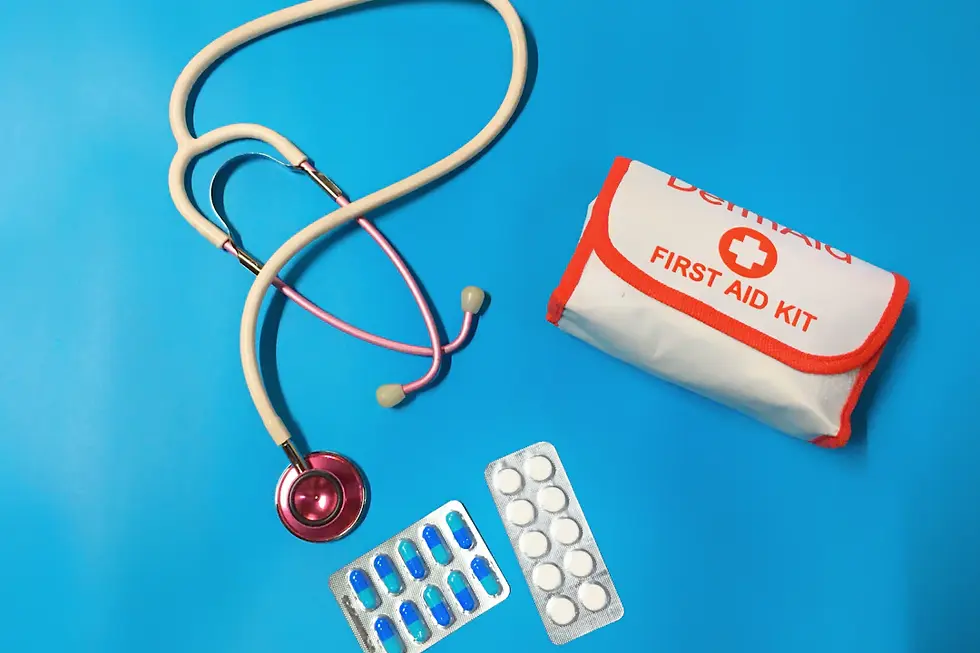
When it comes to our families, taking care of their well-being goes beyond just regular check-ups and healthy meals. Knowing basic first aid can mean the difference between a minor incident becoming a major crisis. Accidents happen, and having essential first aid knowledge can empower you to handle emergencies effectively and with confidence. In this article, we will discuss the critical first aid skills that every family member should learn for a safer home. From treating common injuries to managing emergencies, let’s dive into the fundamental skills that can help keep your family healthy and safe.
Understanding First Aid
First aid is the immediate assistance given to someone who has been injured or suddenly becomes ill. It is crucial to act quickly and calmly in medical emergencies. The primary goals of first aid include preserving life, preventing further injury, and promoting recovery. Even the most basic understanding of first aid can significantly impact someone's recovery process and can even save lives.
Why Families Need First Aid Knowledge
Empowerment: Having first aid skills instills confidence in managing emergencies.
Quick Response: Immediate care can prevent further injury or complications.
Reduced Anxiety: Knowing what to do in a crisis reduces fear and stress.
Community Awareness: Understanding first aid contributes to overall community safety.
Essential First Aid Skills
1. CPR (Cardiopulmonary Resuscitation)
Learning CPR can be life-saving, especially in cases of cardiac arrest. It is a skill that should be mastered by every family member, from adults to responsible teenagers. Here’s a quick guide on how to perform CPR:
Check the scene: Ensure it is safe to approach the patient.
Check for responsiveness: Tap the person’s shoulder and shout, “Are you okay?”
Call for help: If unresponsive, call 911 or have someone else do it.
Begin chest compressions: Place your hands in the center of the chest and push hard and fast, aiming for a rate of 100-120 compressions per minute.
If trained, give rescue breaths: After 30 compressions, give two breaths. Seal your lips over the person's mouth, and breathe into their mouth until you see their chest rise.
Continue the cycle: Repeat chest compressions and rescue breaths until professional help arrives.
2. Treating Cuts and Scrapes
Cuts and scrapes are common, especially among active children. Here's how to treat them properly:
Wash your hands: Always start by washing your hands to prevent infection.
Rinse the wound: Gently clean the cut or scrape with lukewarm water.
Apply antiseptic: Use an antiseptic wipe or solution to disinfect the wound.
Cover with a bandage: Use a sterile bandage or gauze to protect the area.
Monitor for infection: Keep an eye on the wound for signs of infection, such as redness, swelling, or pus.
3. Managing Burns
Burns can happen in a moment, but knowing how to treat them effectively can minimize pain and complications. Here’s what to do in case of a minor burn:
Cool the burn: Place the burn under cool (not cold) running water for about 10-15 minutes.
Cover it gently: Use a clean, non-stick bandage to cover the burn.
Avoid using ice: Never apply ice or very cold water directly to a burn as it can cause more damage.
Pain management: Over-the-counter pain relievers can help alleviate discomfort.
Seek medical help for severe burns: If the burn is severe, has blisters, or is larger than three inches, consult a healthcare professional.
4. Recognizing and Responding to Choking
Choking can occur unexpectedly, especially among young children. Learning to handle a choking incident can save a life:
For adults and children over one year: Stand behind the person, wrap your arms around their waist, make a fist above their navel, and thrust inward and upward. Repeat until the object is expelled.
For infants: Hold the infant face down on your forearm, striking the back with the heel of your hand. If the object does not come out, turn the infant face-up and perform chest thrusts using two fingers.
5. Recognizing Signs of Stroke
Stroke is a medical emergency, and recognizing its signs can lead to timely treatment. Use the acronym FAST to remember the warning signs:
F: Face drooping – Ask the person to smile; is one side of their face drooping?
A: Arm weakness – Ask them to raise both arms; does one drift downward?
S: Speech difficulties – Ask them to repeat a simple sentence; is their speech slurred?
T: Time to call 911 – If any signs are present, act quickly and get emergency help.
Creating a Family First Aid Kit
Every family should have a well-equipped first aid kit easily accessible at home and in the car. Here’s a checklist of items to include in your family first aid kit:
Adhesive bandages in various sizes
Gauze pads and adhesive tape
Antiseptic wipes or solution
Hydrocortisone cream
Antibiotic ointment
Pain relievers (age-appropriate)
Thermometer
First aid manual or guide
Latex or nitrile gloves
Scissors and tweezers
Burn treatment gel
Eye wash or saline solution
Educate and Practice Regularly
Understanding first aid is only the first step; regular practice is essential for retaining skills. Plan family training sessions and practice drills to reinforce what you've learned. You may also consider enrolling in a local first aid or CPR course together to enhance your skills under professional guidance.
Resources for Learning First Aid
In addition to articles and guides, there are numerous resources available for mastering first aid skills:
Online Courses: Websites like the American Red Cross and various health organizations offer free or low-cost CPR and first aid courses.
YouTube Videos: Educational videos can provide step-by-step demonstrations of first aid procedures.
Books: Invest in a comprehensive first aid manual for your family to keep on hand for reference.
A Lifesaving Investment for the Future
Being prepared can change everything in an emergency. Learning the basics of first aid is an invaluable investment in your family's safety and well-being. Whether it's a minor injury or a life-threatening situation, equipping yourself and your loved ones with these essential skills can provide you with the confidence to act effectively. Make a commitment today to learn and practice first aid regularly amidst your family. Remember, the moments spent learning can prevent a lifetime of regret.
FAQs
What is the importance of knowing first aid at home?
Knowing first aid can empower family members to handle emergencies effectively, preserve life, and prevent further injury.
What are the basic first aid skills every family should learn?
Essential first aid skills include CPR, treating cuts and scrapes, managing burns, recognizing and responding to choking, and identifying signs of a stroke.
How do you treat a minor burn?
To treat a minor burn, cool the burn under running water for 10-15 minutes, cover it with a non-stick bandage, manage pain, and seek medical help for severe burns.
What items should be included in a family first aid kit?
A family first aid kit should include adhesive bandages, gauze pads, antiseptic wipes, pain relievers, a thermometer, scissors, and a first aid manual.
How can families regularly practice first aid skills?
Families can plan training sessions, practice drills, and consider enrolling in local first aid or CPR courses together to reinforce their skills.

$50
Product Title
Product Details goes here with the simple product description and more information can be seen by clicking the see more button. Product Details goes here with the simple product description and more information can be seen by clicking the see more button

$50
Product Title
Product Details goes here with the simple product description and more information can be seen by clicking the see more button. Product Details goes here with the simple product description and more information can be seen by clicking the see more button.
$50
Product Title
Product Details goes here with the simple product description and more information can be seen by clicking the see more button. Product Details goes here with the simple product description and more information can be seen by clicking the see more button.


Comments